LLM Batch Processing: Scaling AI Workloads from Hundreds to Millions

Introduction: Processing thousands or millions of items through LLMs requires different patterns than single-request applications. Naive sequential processing is too slow, while uncontrolled parallelism hits rate limits and wastes money on retries. This guide covers production batch processing patterns: chunking strategies, parallel execution with rate limiting, progress tracking, checkpoint/resume for long jobs, cost estimation, and […]

Read more →

LLM Fine-Tuning: From Data Preparation to Production Deployment

Introduction: Fine-tuning adapts pre-trained language models to specific tasks, domains, or behaviors. While prompting works for many use cases, fine-tuning delivers better performance, lower latency, and reduced costs for specialized applications. This guide covers modern fine-tuning approaches: full fine-tuning for maximum customization, LoRA and QLoRA for efficient parameter updates, preparing high-quality training data, using OpenAI […]

Read more →

The Future of Work: How AI and Automation Are Reshaping Careers

After two decades of architecting enterprise systems and leading digital transformation initiatives across financial services, healthcare, and technology sectors, I’ve witnessed firsthand how AI and automation are fundamentally reshaping the nature of work. This isn’t merely about replacing tasks—it’s about reimagining entire value chains, creating new categories of roles, and demanding a fundamental shift in […]

Read more →

LLM Output Formatting: JSON Mode, Pydantic Parsing, and Template-Based Outputs

Introduction: LLM outputs are inherently unstructured text, but applications need structured data—JSON objects, typed responses, specific formats. Getting reliable structured output requires careful prompt engineering, output parsing, validation, and error recovery. This guide covers practical output formatting techniques: JSON mode and structured outputs, Pydantic-based parsing, format enforcement with retries, template-based formatting, and strategies for handling […]

Read more →

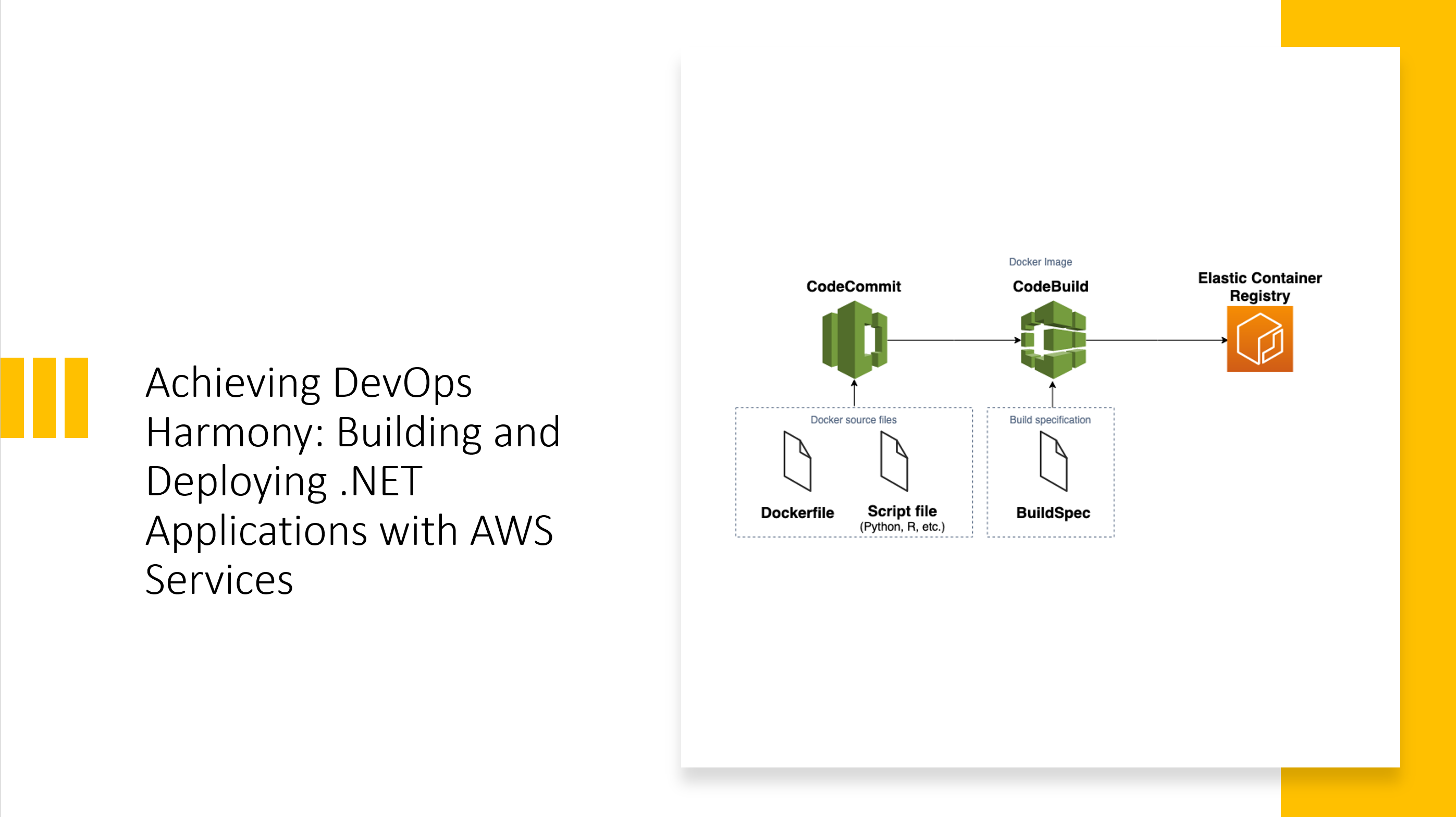
Building Production AI Applications with .NET 8 and C# 12

When .NET 8 and C# 12 were released, I was skeptical. After 15 years building enterprise applications, I’d seen framework updates come and go. But this release changed everything for AI development. Let me show you how to build production AI applications with .NET 8 and C# 12—using actual C# code, not Python wrappers. Figure […]

Read more →

Building LLM Agents with Tools: From Simple Loops to Production Systems

Introduction: LLM agents extend language models beyond text generation into autonomous action. By connecting LLMs to tools—web search, code execution, APIs, databases—agents can gather information, perform calculations, and interact with external systems. This guide covers building tool-using agents from scratch: defining tools with schemas, implementing the reasoning loop, handling tool execution, managing conversation state, and […]

Read more →